
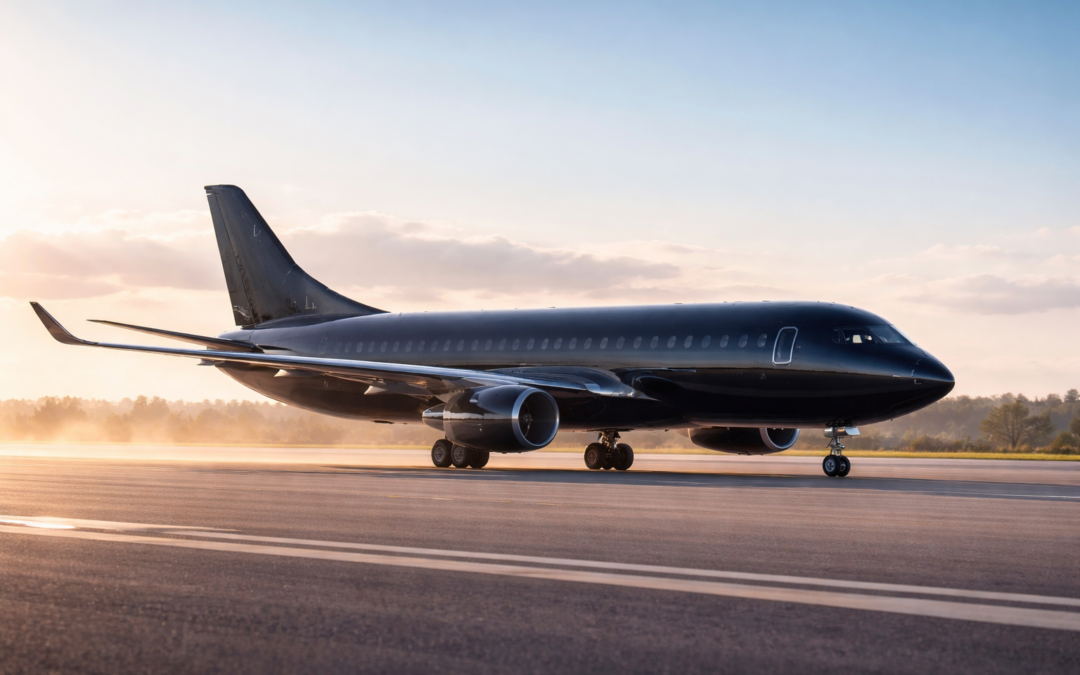
Private aviation has long been associated with speed, comfort, and exclusivity. However, in recent years, a new technological force has begun reshaping the industry: Artificial Intelligence (AI). From optimizing flight routes to enhancing passenger experiences, AI is rapidly becoming an essential part of modern aviation operations. For companies operating in the private jet sector, integrating intelligent technologies is no longer simply an innovation—it is becoming a necessity for delivering safer, more efficient, and more personalized travel.
The Rise of Artificial Intelligence in Aviation
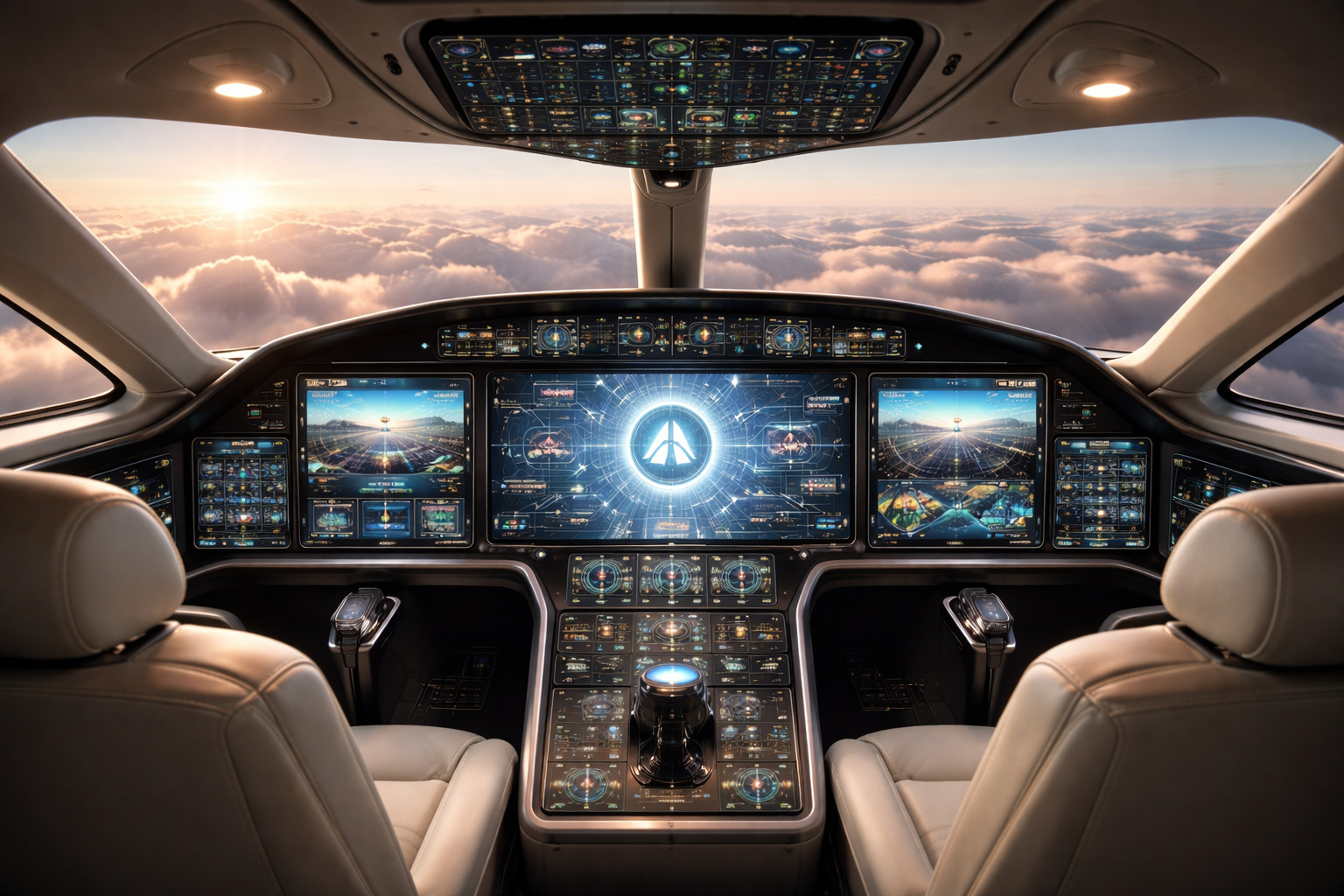
Artificial Intelligence is transforming many industries, and aviation is one of the sectors experiencing significant benefits. Traditionally, flight operations relied heavily on manual analysis, human decision-making, and large operational teams. While these methods have worked effectively for decades, the growing complexity of global air travel has created a need for smarter and faster systems.
AI technologies can process vast amounts of data in real time, including weather conditions, air traffic information, fuel consumption patterns, and aircraft performance data. By analyzing these variables simultaneously, AI systems can assist aviation professionals in making faster and more informed decisions.
In private aviation, where efficiency, reliability, and safety are crucial, AI-driven systems provide valuable insights that help operators deliver smoother flights and improved operational performance.
AI-Powered Flight Planning and Route Optimization
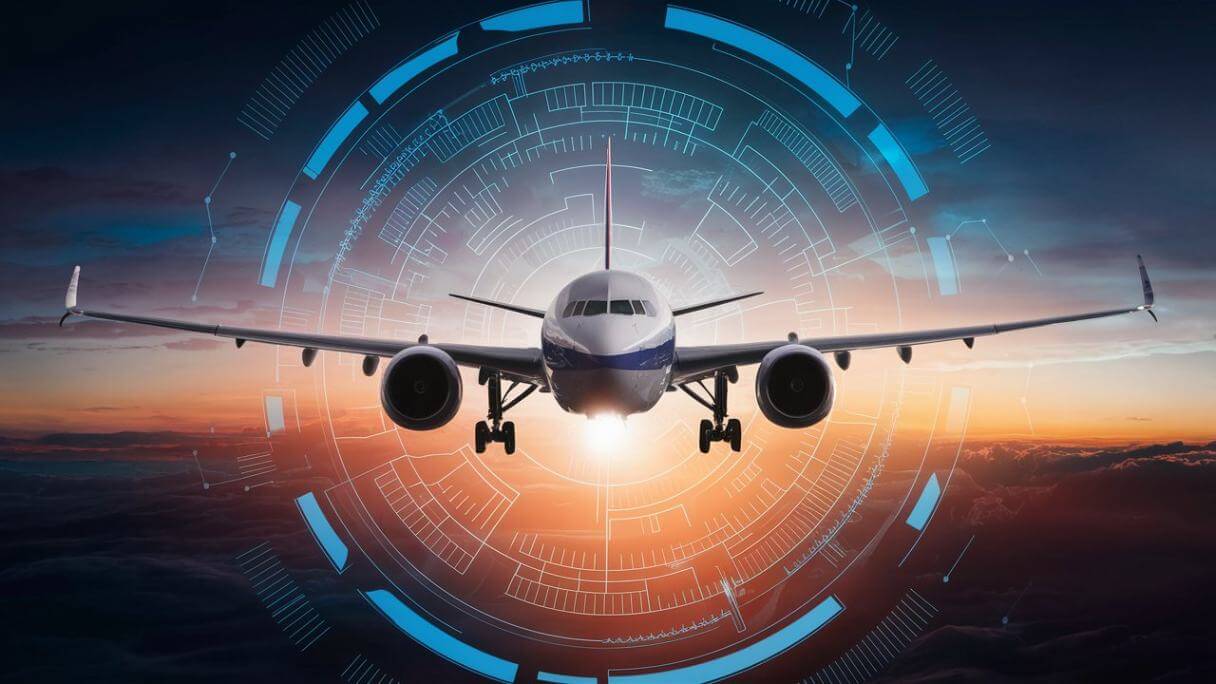
One of the most important applications of artificial intelligence in private aviation is intelligent flight planning. Flight planning involves determining the safest, fastest, and most fuel-efficient route for a particular journey. This process requires analyzing multiple factors such as weather conditions, wind patterns, air traffic congestion, restricted airspaces, and fuel requirements.
AI systems can process these variables far more quickly than traditional systems. By evaluating thousands of possible route combinations in seconds, AI can identify optimal flight paths that minimize fuel consumption and reduce travel time.
For private jet operators, this means more efficient scheduling, reduced operational costs, and faster travel for passengers. Additionally, AI-driven planning tools can continuously update routes during flight if weather patterns change or air traffic conditions evolve, ensuring the aircraft always follows the safest and most efficient path.
Predictive Maintenance and Aircraft Reliability
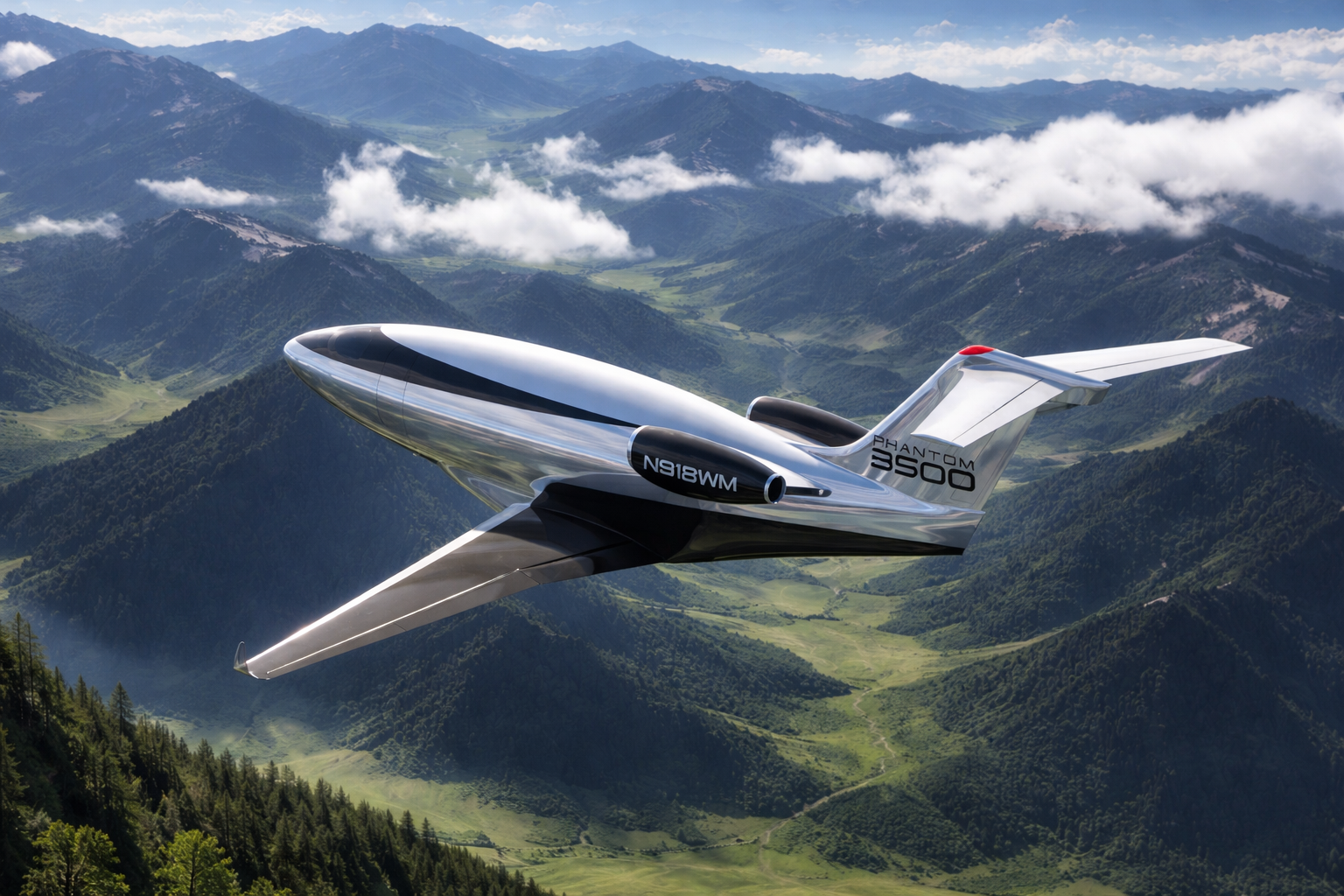
Aircraft maintenance is one of the most critical aspects of aviation safety. Traditionally, maintenance schedules are based on fixed intervals such as flight hours or calendar timelines. While effective, this approach does not always reflect the actual condition of aircraft components.
Artificial Intelligence introduces a more advanced approach known as predictive maintenance. Through sensors installed throughout the aircraft, large amounts of performance data are collected continuously during flights. AI algorithms analyze this data to detect subtle patterns that may indicate early signs of mechanical wear or potential system failures.
By identifying issues before they become serious problems, predictive maintenance allows operators to perform targeted repairs and maintenance procedures. This reduces unexpected technical failures, minimizes aircraft downtime, and improves overall fleet reliability. For passengers, this means more dependable flights and a higher level of operational safety.
Enhancing the Passenger Experience with AI

Private aviation is not only about transportation; it is about delivering a highly personalized travel experience. Artificial Intelligence is helping operators better understand passenger preferences and tailor services accordingly.
AI systems can analyze customer profiles, past travel behavior, and onboard preferences to anticipate passenger needs. For example, cabin temperature, lighting settings, entertainment preferences, and catering selections can be adjusted automatically based on previously recorded choices.
Some advanced systems also enable predictive service management. This allows cabin crews and ground staff to prepare personalized experiences before passengers even board the aircraft. From preferred meal selections to customized cabin environments, AI enables a new level of luxury travel personalization.
This intelligent approach helps private aviation companies maintain the exclusivity and comfort that clients expect while improving operational efficiency behind the scenes.
AI and Aviation Safety

Safety remains the highest priority in aviation, and AI technologies are playing an increasingly important role in strengthening safety systems. AI can assist pilots and flight operators by analyzing real-time flight data and identifying potential risks before they escalate.
Advanced AI-based monitoring systems can detect unusual patterns in aircraft performance, navigation systems, or flight behavior. When anomalies are detected, the system can alert pilots or ground control teams immediately, allowing them to respond quickly and prevent potential incidents.
AI also supports advanced simulation and training environments for pilots. By analyzing thousands of past flight scenarios and potential risk situations, AI can help create highly realistic training simulations that prepare pilots for complex flight conditions.
These intelligent systems enhance human decision-making rather than replacing it, providing pilots with better information and improving overall situational awareness during flights.
The Future of Artificial Intelligence in Private Aviation
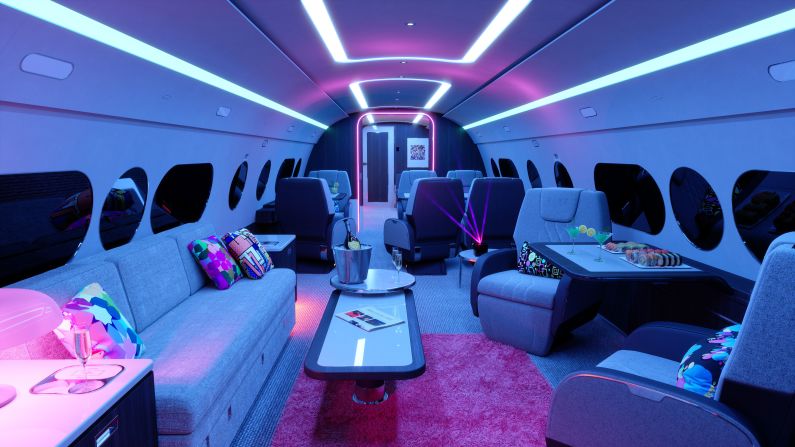
As technology continues to evolve, the role of artificial intelligence in private aviation is expected to expand significantly. Future developments may include more advanced autonomous systems, improved air traffic coordination, and even greater levels of predictive operational planning.
AI may also contribute to more sustainable aviation practices. By optimizing flight routes and fuel consumption, intelligent systems can help reduce emissions and improve environmental efficiency. Additionally, AI-powered fleet management systems could further streamline scheduling, aircraft utilization, and maintenance planning.
The integration of AI with emerging aviation technologies, including advanced avionics and next-generation aircraft systems, will likely create a more connected and intelligent aviation ecosystem.
Conclusion: A New Era of Smart Aviation
Artificial Intelligence is redefining the way private aviation operates. From optimizing flight planning and improving aircraft maintenance to enhancing passenger comfort and strengthening safety systems, AI is helping the industry move toward a smarter and more efficient future.
For private aviation companies, adopting intelligent technologies represents an opportunity to elevate service standards while improving operational performance. As innovation continues to accelerate, artificial intelligence will remain a key driver shaping the next generation of luxury air travel.
The future of private aviation is not only faster and more comfortable—it is also smarter.
Recent Comments