
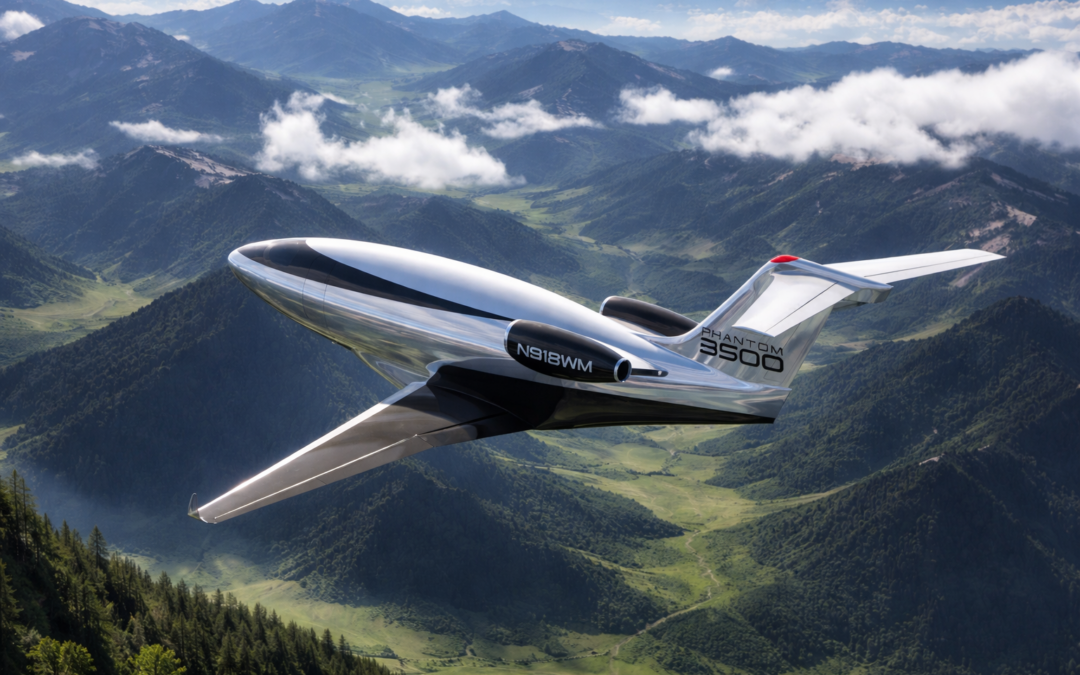
How private aviation is transforming travel, technology, and global mobility — grounded in the latest real-world trends.
In an age where every industry is being reshaped by innovation and environmental urgency, private aviation stands at a crossroads of reinvention. Once defined purely by exclusivity and luxury, the future of private flight is now being defined by efficiency, sustainability, and technological advancement — without sacrificing comfort or performance.
In this in-depth article, we explore the forces driving this transformation, the technologies shaping the next era of flight, and what it all means for travelers, businesses, and the future of global connectivity.
🌱 1. The Green Revolution: Sustainable Aviation Fuel (SAF)

What Is SAF? Why It Matters
One of the most significant shifts in aviation in the 2020s is the adoption of Sustainable Aviation Fuel (SAF) — bio-based jet fuel produced from renewable feedstocks like agricultural waste, cooking oils, and specially grown non-food crops.
Unlike traditional jet fuel, SAF can reduce overall lifecycle carbon emissions by up to 80%, depending on the feedstock and production process. And the best part? SAF can be used in existing jet engines without major modifications, making it one of the most viable near-term strategies for reducing aviation’s carbon footprint.
📊 This isn’t theoretical — global air carriers and private jet operators are already integrating SAF into their fleets.
This means high-end travelers can now choose environmentally responsible private flights without compromising speed or comfort.
The Bigger Picture
International aviation regulators such as ICAO and the European Union have established clear pathways and incentivesfor SAF adoption, making it not just a luxury option but an industry standard over the next decade.
For private aviation brands like JetsOnset, offering SAF as a standard or optional upgrade aligns with both customer expectations and future regulatory requirements.
⚡ 2. Propulsion Innovation: Electric, Hybrid, and Hydrogen Power
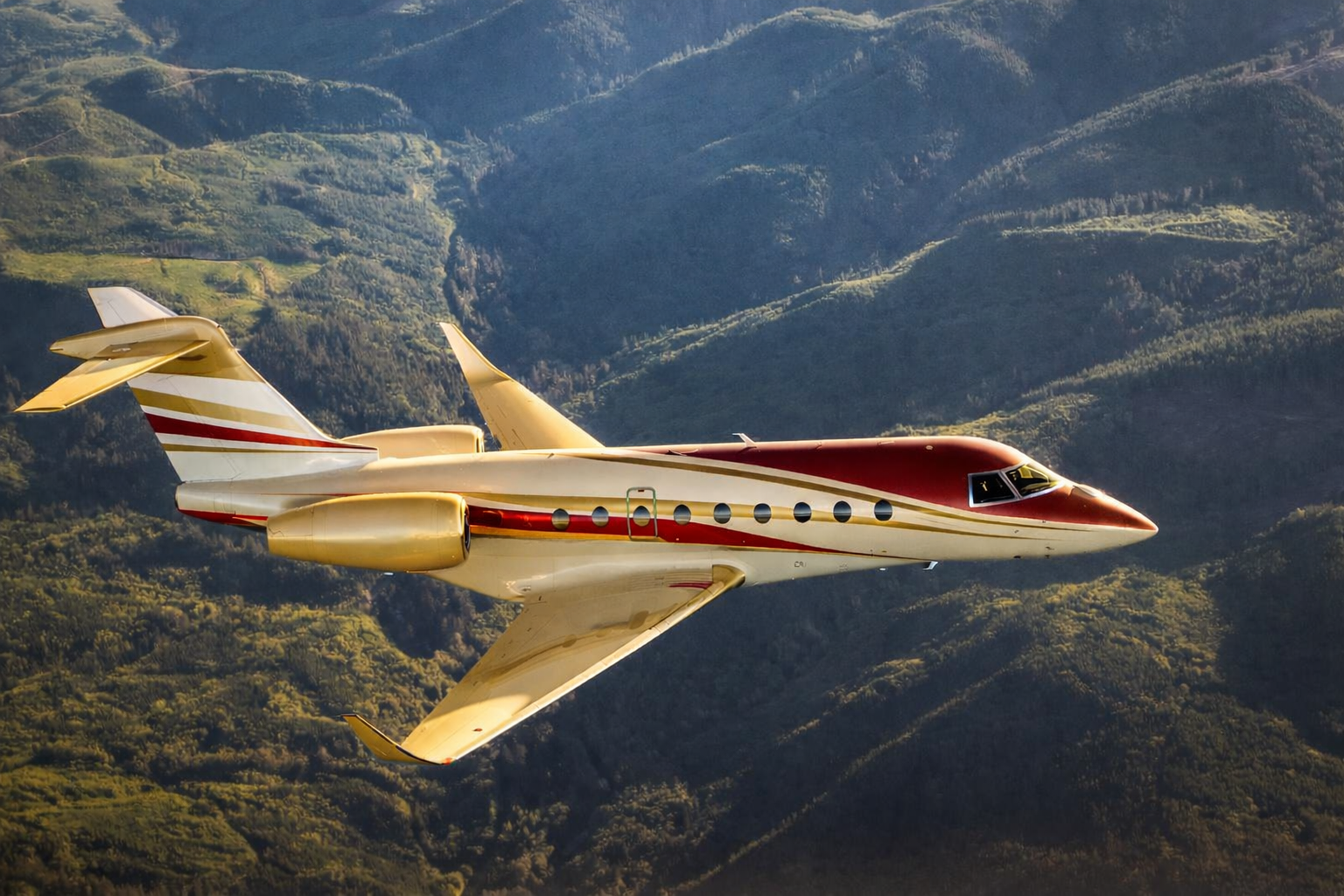
While SAF improves the environmental profile of existing engines, the next generation of propulsion systems promises even deeper transformation.
⚡ Electric and Hybrid-Electric Systems
Electric and hybrid-electric propulsion technologies — once confined to concept labs — are rapidly advancing.
Although current battery technology limits fully electric flight to short distances, hybrid-electric systems are already beginning to emerge as realistic options for small jets.
Benefits include:
✔ Reduced noise pollution
✔ Lower operational cost
✔ Significantly fewer emissions
Companies and research institutions worldwide are investing billions in these technologies — signaling that the era of cleaner electric flight isn’t far off.
🔥 The Hydrogen Frontier
Hydrogen-powered aircraft represent the next leap — offering the potential for zero in-flight carbon emissions.
Although hydrogen storage and infrastructure challenges remain, recent tests and research initiatives have pushed this technology into credible development pipelines.
In fact, several major aerospace players have publicly committed to hydrogen propulsion as part of their long-term sustainability strategy.
✈️ 3. Aerodynamic Breakthroughs & Next-Gen Aircraft Design

The future of private jets isn’t only about powerplants — it’s also about how aircraft are shaped and built.
🛠 Blended Wing Body (BWB) and Advanced Aero Techniques
Traditional “tube and wing” designs are being challenged by more efficient configurations like Blended Wing Body (BWB) — a design that smooths airflow across a wide lifting surface, significantly reducing drag and fuel consumption.
While not yet mainstream in commercial production, BWB designs are gaining traction and could become the standard for large, long-range aircraft within the next decade.
Lightweight Materials and Manufacturing
New composite materials — including graphene-infused and other nano-engineered structures — promise:
✔ Lighter airframes
✔ Greater structural strength
✔ Better thermal efficiency
These innovations together can yield game-changing performance improvements.
🤖 4. Smart Aviation: AI, Data, and Autonomous Systems

The cockpit of tomorrow won’t just be smarter — it’ll be data-driven.
🧠 AI-Powered Flight Optimization
Modern private jets are embracing artificial intelligence and analytics at every level:
✔ AI-enhanced flight planning
✔ Real-time weather adaption
✔ Dynamic route optimization
✔ Predictive maintenance
Instead of pilots reacting to conditions, AI systems can anticipate and adapt — reducing fuel burn, minimizing delays, and improving safety.
Cockpit Automation and Augmented Reality
Future aircraft may feature augmented reality systems that enhance situational awareness, provide onboard support tools, and assist pilots in complex environments.
These tools are designed not to replace human expertise — but to elevate it.
📉 5. From Exclusive to Accessible: Jet Sharing & On-Demand Models

Another major shift in private aviation is the evolution of pricing and access models.
✈️ Jet Sharing
Jet sharing allows multiple travelers to split the cost of a private flight — making private-level comfort and convenience dramatically more affordable than traditional all-private charters.
Instead of booking an entire aircraft solo, passengers can reserve seats or fly as a small group — combining luxury with shared cost efficiency.
This model makes private travel an appealing option for:
✔ Busy professionals
✔ Families traveling together
✔ Small business teams
✔ Destination tourists
Jet sharing is quickly gaining traction as a practical alternative to commercial first class.
📈 6. The Business Case: CEOs, Efficiency, and ROI

For executives, private aviation isn’t an indulgence — it’s a strategic asset.
🕒 Time Is Money
High-level executives consistently report that private flights can save:
✔ Hours in airport waiting time
✔ Delays caused by commercial schedules
✔ Inefficient route connections
This time saved often directly translates to improved productivity and better business outcomes — a key reason why private aviation remains a favorite among leaders and decision-makers.
Productivity from Departure to Destination
Private jets allow work to continue seamlessly from takeoff to touchdown — with:
✔ Comfortable workspace
✔ Reliable connectivity
✔ Privacy for sensitive discussions
This means travel time can become valuable working time.
👨✈️ 7. Passenger Experience: Comfort Meets Innovation
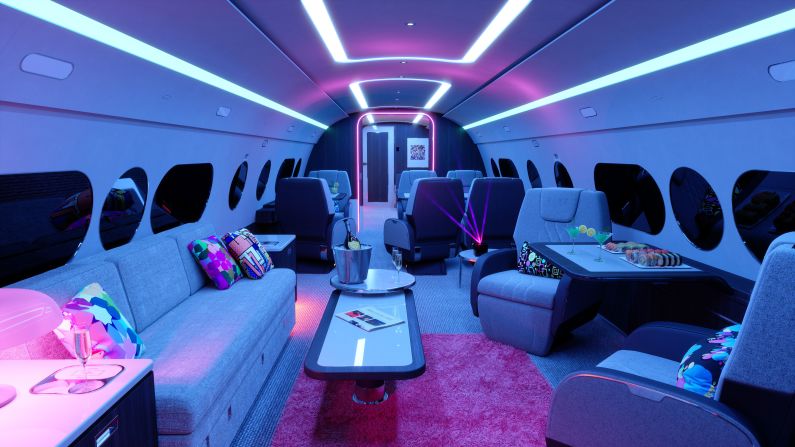
The future passenger experience will be defined by comfort and customization.
Personalization At Every Step
From tailored catering to curated cabin environments, future private flights will offer unparalleled personalization. Some emerging trends include:
✔ Biometric identity and boarding systems
✔ Pre-bundled digital concierge services
✔ Personalized environmental settings
✔ Seamless ride-to-runway coordination
In-Flight Tech
Passengers can expect:
✔ Ultra-fast onboard connectivity
✔ Immersive entertainment systems
✔ Adaptive lighting and noise control
✔ Real-time flight analytics
Travel is becoming less about getting there — and more about how the journey feels.
🌐 8. The Global Landscape: Regulations, Innovation, and Competition

Government Policy & Aviation Targets
Governments and global organizations are increasingly focused on emissions standards, with binding commitments emerging in Europe, North America, and elsewhere.
This means:
✔ Cleaner aircraft standards
✔ Incentives for SAF adoption
✔ Long-term sustainability roadmaps
Competitive Innovation
Aviation giants and disruptive startups alike are pouring funds into R&D, from electric propulsion to advanced manufacturing techniques.
The result? Acceleration of technology cycles and a wave of innovation unseen in decades.
🛫 Final Takeaway: A New Golden Age of Flight
The future of private aviation is not a distant dream — it is unfolding right now.
We are entering a phase where travel is:
✨ Faster and more efficient
✨ Greener and more responsible
✨ Powered by smart technology
✨ More flexible and accessible
✨ Tailored to individual experience
Private jet travel is no longer just a symbol of wealth — it’s a strategic, sustainable, and smart way to connect people, businesses, and cultures.
With companies like JetsOnset leading the charge, this is not just where travel is going — it’s where we want travel to be.
Recent Comments